A Passage for December

YA-Headquarters.jpg

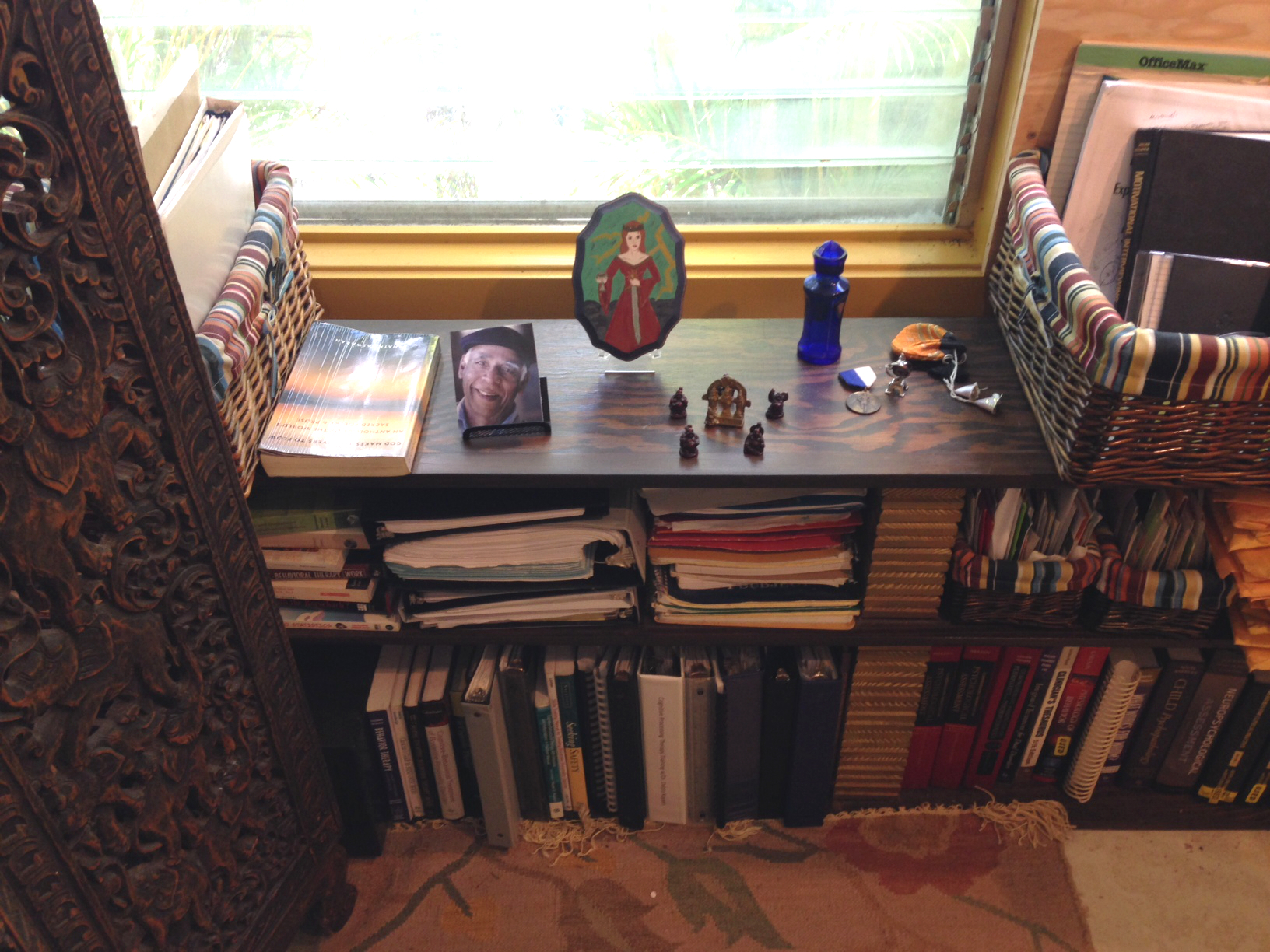
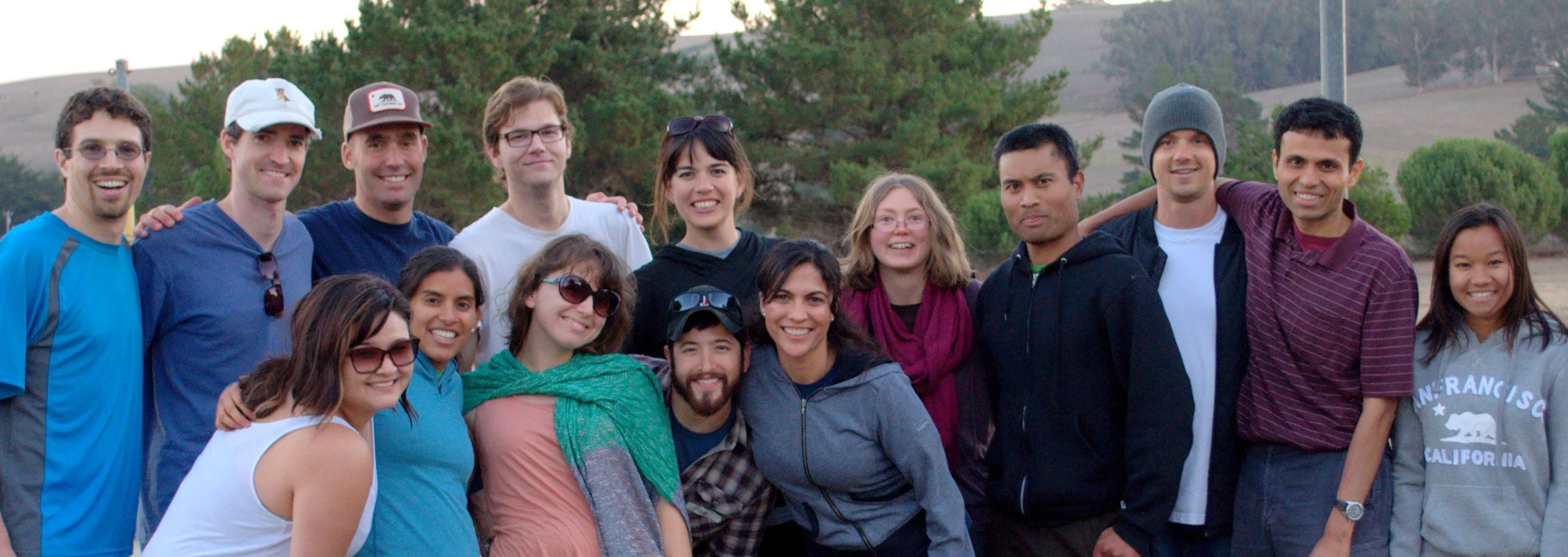
In the comments for last month's passage, one YA mentioned meditating on passages based on source, specifically mentioning Swami Ramdas. Here at YA Blog Headquarters in Northern California, that comment led us to get reacquainted with "The Central Truth" by Swami Ramdas, a short passage that is packed with amazing lines.

We'd like to invite you to add it to your meditation this month and to do some study of the passage (outside of meditation, of course). Usually when we study passages at retreats we consider two questions:

  1. What line in this passage particularly speaks to you?
  2. If you meditate on this passage, what type of qualities would it help you develop?

We'd love to hear from you in the comments below – share your answers to these questions, and any other thoughts you might have on this passage!

The Central Truth – Swami Ramdas

Forget not the central truth that God is seated in your own heart. Don't be disheartened by failures at initial stages. Cultivate the spirit of surrender to the workings of his will, inside you and outside you, until you have completely surrendered up your ego-sense and have known that he is in all, and he is all, and you and he are one. Be patient. The path of self-discipline that leads to God-realization is not an easy path: obstacles and sufferings are on the path; the latter you must bear, and the former overcome – all by his help. His help comes only through concentration. Repetition of God's name helps concentration.

What's Your Routine?

At the Young Adult weekend retreat earlier this month, we discussed the basics of passage meditation extensively. This inspired us to turn to our greater YA community via our email group the YA eSatsang and ask them to share "What's your meditation routine?"  We've been amazed at the variety of ways people prepare for meditation and have been inspired by some of the little ways people structure their lives to put their meditation first!

LB from Chattanooga, Tennessee

My routine begins when my phone alarm goes off at 6:30 a.m. (sometimes it's 6:45 or 7:00). I get out of bed and head straight outside to let my chickens out and pick up the newspaper. If the night has been especially clear, I might spend a few seconds enjoying the first pale streaks of sunlight filtering through the trees, or, if it's late in the year and still fully dark, I'll look at the stars. Then I go inside and spend a few minutes reading the paper, giving myself a little more time to wake up. Around 6:55 I go to my meditation corner, unfold my bench, lay out my blanket, set an alarm on my phone, and begin to meditate. After my thirty minutes is up, I spend a few minutes in prayer before continuing with the rest of my day.

I've found that it's crucial for me to get adequate sleep the night before or I won't be able to stay focused during meditation.

One thing I'd like to change about my routine is what I read before meditation. I'm not sure the newspaper is the best thing to start my day with. I might experiment with reading a brief passage from a spiritual work instead. This way I will be preparing my mind to focus on spiritual ideals and principles during meditation.

Kate from Vancouver, B.C., Canada

Over the past few years, I've realized how critical getting up on time is for the morning meditation routine. I managed to get through high school and university without being a snoozer, and somewhere in my late 20s, I developed a strong habit of snoozing my alarm, and not getting up right away. This snooze time really can affect my morning because, as you will read, I have a fairly lengthy morning routine. Any time I give away to snoozing, I take away from my morning routine, so that is an ongoing opportunity for me, right out of the gate! 

After I manage to get up, I go to my couch and begin reviewing my passage for the day. Right now, I have the luxury of spending about 20 minutes on this. I have a cycle of passages that I go through, and I tend to spend a few days on the same passage, which means there are long stretches between each passage use. It means I always need some time in the morning to refresh the words of the passage I'm about to use (by reading and/or writing it). Depending on which passage I'm using, I can also use this time to memorize a new passage.  

Then, I meditate for 30 minutes. I've learned to time myself pretty well without a timer, and just by peeking at a clock. I've recently moved, so I've had the opportunity to set up a new space dedicated to meditation. As you can see, I use several pillows so sit on to prevent my legs from falling asleep, and to prop up the small of my back.

YA-Kate-Meditation-Corner.jpg

After meditation, I write the mantram for a few minutes, and then read or listen to some inspiration from EE for about 10-15 minutes. Then, I'm ready for the day, and I go have breakfast with my housemates.  

Nikhil from White Plains, New York

I wake up between 5:15 and 5:30 a.m. After freshening up and a glass of water, I head to my loft which is my dedicated meditation corner. I sit on a chair and take a few minutes to think about which passages I will use. I choose based on the challenge I face that day or the aspect of my personality I am working on (e.g. patience, fear etc.).

I use the phone to time myself and keep a copy of God Makes the Rivers to Flow next to me. I take 30 secs to breathe deeply and settle my mind and then meditate for 30 minutes. Right after meditation, I repeat the mantram and read the Easwaran Thought for the Day. Then I read passages in God Makes the Rivers to Flow for further inspiration. All this takes me 45 minutes total.

Drew from Honolulu, Hawaii

Most mornings I try to get up early, usually between 4:30 and 5:00.  I aim earlier, as it leads to a much less rushed morning, but I admit that sometimes I set my alarm for 5:00 or even later (which leads to a much more rushed morning).  After I get up, I go to my office area and prepare to meditate. Because of limited space, I don’t have an area specifically for meditation, but I do have a screen that I use to partition the room and create a little alcove of sorts.  

YA-Drew-Meditation-Corner.jpg
YA-Drew-Meditation-Screen.jpg

Up until recently, I would do writing and other things to wake up before meditating, but was inspired by our recent YA Satsang conference call to get down to business more quickly. Before I mediate, I determine which passages I’m going to use, review them briefly, and enter this information into a meditation tracker Excel sheet that I use.  I don’t always review the passage or use this tracker, but find that when I do my meditation is generally much better.  

When I finish meditating, I enter information into my tracker about the quality of my meditation (i.e. did I fall asleep, was I a jumping bean, how was my concentration in the beginning, middle, and end, etc.).  Afterwards, I write in a couple logs about things that I’m trying to work on in my life (i.e. slowing down at work, controlled internet use, interactions with specific people, etc.).  

Finally, if I have enough time, I spend about five minutes reading through a list of people in my life and praying for them.  I have a fascination with Mr. Rogers of Mr. Roger’s Neighborhood fame (I’m convinced he was a mystic), and read that he spent several hours each morning praying for people.  So, I attempt to emulate this in my own small way.

Carlos from Concord, California

My meditation routine consists of waking up, going to the restroom, drinking water, and meditating on the inspirational passage. But what makes it routine? After all, the more I seem to meditate, the more I see the discrepancy between the ideal person and myself, between the ideal life and mine. Do I meditate because I’m good? Do I fit the YA mold? If I’m bad, why am I starting this? Why am I still doing this? What about being capable or incapable? Worthy or unworthy? Free or entrenched? Strong or weak? Skinny or fat? Vegetarian or, close to it? The best I can say, is that I meditate, more and more, not because of these things. I could also say that, more and more, I don't meditate for these things either. I hope we get started, over and over again, to meditate, continue to meditate, and continue our meditation routines for the reason we chose.

Natalia from Helsinki, Finland

I wake up long before my kids and spouse to have time for meditation without rush. It's best to keep the alarm so far I need to get up to shut it down, then there is no temptation to go back to bed anymore. Though my body has got so used to getting up early by now I very often wake up naturally before the alarm even rings. On summers I've had a fixed meditation space on balcony. Wintertime I've moved around the apartment to find a clean peaceful spot, but at least the mats I use for meditation are fixed ;-) It's good to wear enough before I start so that cold won't catch me, and to keep tissues and a clock that is not ticking right next to me when I meditate so that there is no reason to get up for next half an hour. 

After my meditation I still have peaceful time for myself before my family wakes up to keep me busy. I really used to think I'm a complete night person who cannot get up early. That I changed completely when I noticed how much better I can concentrate both on meditation and everything else after a good night sleep if there is no rush. Nowadays I'm convinced it's best to take my own time from the morning, not from the evening.

Lisa from San Francisco, California

YA-Lisa-Meditation-Corner.jpg

I usually wake up around 5:00 or 5:15 a.m. and roll right out of bed, put on a sweatshirt and knit cap and settle myself on the meditation bench that lives at the foot of my bed. Usually I time myself by the nearby clock, but sometimes I use my phone as a timer. After 30 minutes I read Easwaran’s Thought for The Day via the app on my phone and then go about getting ready for the day.

Usually I take one night a week and refresh a slew of passages to use in the upcoming week. I’ve never been terribly systematic about rotating through my passages and realized recently when I set up my Passage Portfolio that I’d let loads of passages fall into disrepair. This inspired me to try and come up with a new routine to refresh old passages and memorize new ones – we’ll see what I’m able to come up with!


Easwaran: Instructions in Passage Meditation

At the recent November Young Adult weekend retreat (more on this soon!), we spent a whole morning reviewing the basic instructions in passage meditation ­– “meditation mechanics” if you will. After spending a few hours getting tips and suggestions from other YA meditators, we here at the YA Blog Team started thinking. . . have we ever explicitly shared the instructions in passage meditation on the blog? Well, no time like the present!

YA-November-Retreat-2013.jpg

This week we’re sharing an excerpt by Eknath Easwaran from the recent BMCM Spring 2013 Journal detailing the practice of passage meditation. We hope these basic instructions inspire newcomers to try passage meditation and encourage long-time meditators to find ways to tune-up their practice.

Most of us have grasshopper minds, dispersing our attention, energy, and desires in all sorts of directions and depriving us of the power to draw upon our deeper, richer resources for creative living. Using an inspirational passage for meditation every day, as instructed below, helps to slow down the furious, fragmented activity of the mind so that we can gain control over it. The slow, sustained concentration on the passage drives it deep into our minds. Whatever we drive deep into consciousness, that we become. “All that we are,” declares the Buddha, “is the result of what we have thought.”

  • Meditate for half an hour every morning, as early as is convenient. Do not increase this period; if you want to meditate more, have half an hour in the evening also, preferably at the very end of the day.
  • Set aside a room in your home to be used only for meditation and spiritual reading. If you cannot spare a room, have a particular corner. But whichever you choose, keep your meditation place clean, well-ventilated, and reasonably austere.
  • Sit in a straight-backed chair or on the floor and gently close your eyes. If you sit on the floor, you may need to support your back lightly against a wall. You should be comfortable enough to forget your body, but not so comfortable that you become drowsy.
  • Whatever position you choose, be sure to keep your head, neck, and spinal column erect in a straight line. As concentration deepens, the nervous system relaxes and you may begin to fall asleep. It is important to resist this tendency right from the beginning, by drawing yourself up and away from your back support until the wave of sleep has passed.
  • Then, in your mind, go slowly through an inspirational passage from the scriptures or the great mystics. I usually recommend the Prayer of Saint Francis of Assisi:

Lord, make me an instrument of thy peace.
Where there is hatred, let me sow love;
Where there is injury, pardon;
Where there is doubt, faith;
Where there is despair, hope;
Where there is darkness, light;
Where there is sadness, joy.

O Divine Master, grant that I may not so much seek
To be consoled as to console,
To be understood as to understand,
To be loved as to love;
For it is in giving that we receive,
It is in pardoning that we are pardoned,
It is in dying to self that we are born to eternal life.

Easwaran-Meditation.jpg
  • Do not follow any association of ideas or try to think about the passage. If you are giving your attention to the words, the meaning has to sink in. When distractions come, do not resist them, but try to give more and more attention to the words of the passage. If your mind strays from the passage completely, bring it back gent­ly to the beginning and start again.
  • When you reach the end of the passage, you may use it again and again until you have memorized others. It is helpful to have a wide variety of passages for meditation, drawn from all the world’s major traditions. I recommend chapters two and twelve of the Bhagavad Gita, the Lord’s Prayer, the Twenty-third Psalm, the Beatitudes, and the first chapter of the Dhammapada of the Buddha. I have also translated some of the Upanishads for use in meditation. Whatever you choose, the passage should be positive and practical, chosen from a major scripture or a mystic of the highest stature.

The secret of meditation is simple: you become what you meditate on. When you use the Prayer of Saint Francis every day in meditation, you are driving the words deep into your consciousness. Eventually they become an integral part of your personality, which means they will find constant expression in what you do, what you say, and what you think.

If you're interested in more passages recommended by Easwaran for meditation you can find many of them free online, and all of them are in his collection "God Makes the Rivers to Flow" available as a paperback or e-book.