A Passage for March

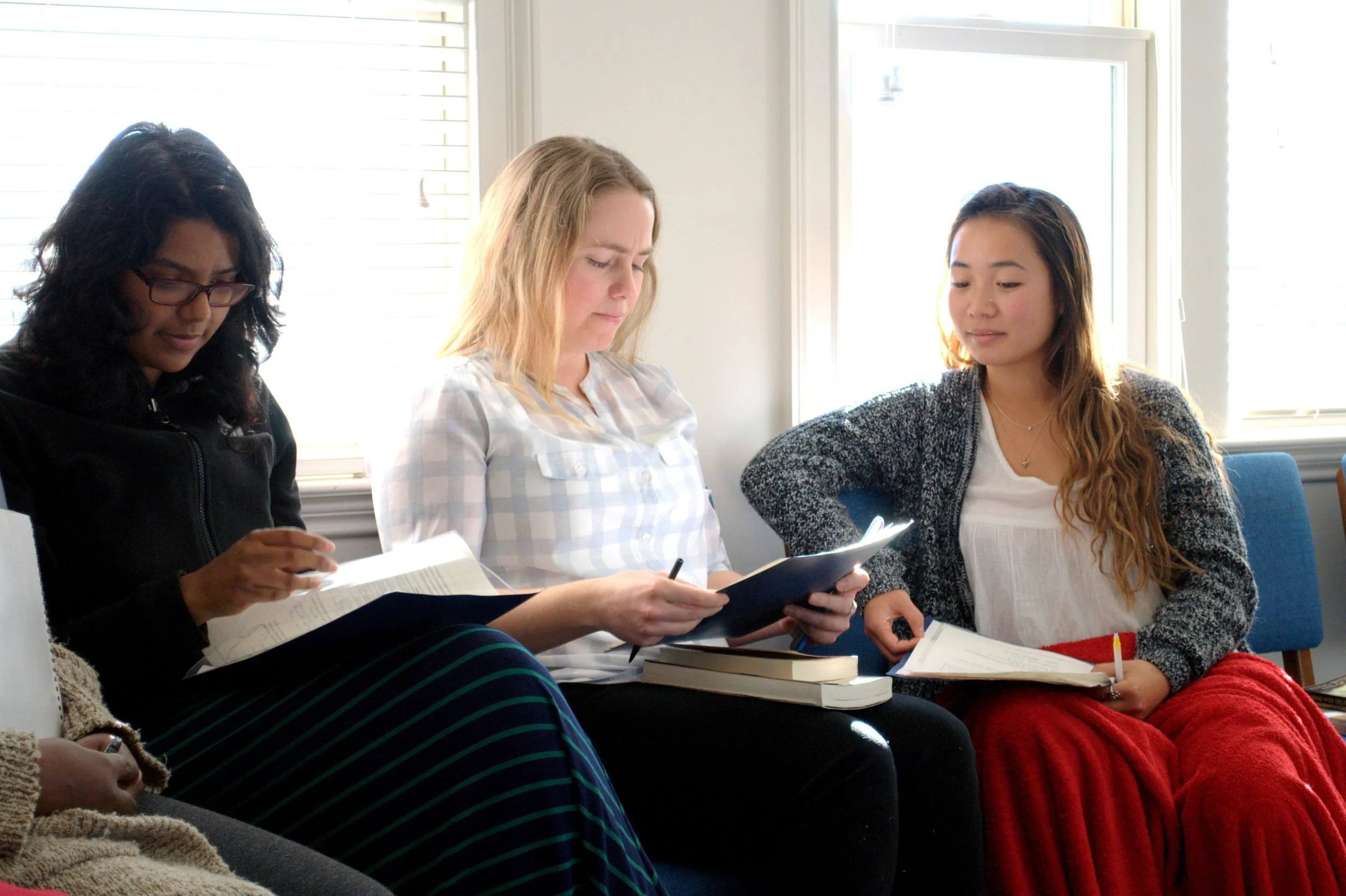
At the YA retreat last month (check out last week's post to see photos), we discussed the real flexibility of this practice as a result of being able to choose our passages for meditation. We did a passage study on "The Best" by Lao Tzu which we noticed was perfect for meditators who might be looking for a passage without religious language.

YA-Passage-Reading

We had already memorized "The Best", but this discussion inspired us to look through Lao Tzu's other passages that Easwaran recommended for meditation and we came across "Finding Unity" which we've chosen as this month's passage.

As with Lao Tzu's other passages, we love the imagery of the passage as well as the emphasis on personal transformation. We invite you to add this passage to your repertoire and memorize it this month.

We'd love to hear from you! Share with us in the comments below:

  • Easwaran says "you become what you meditate on." What qualities do you think you might gain by meditating on this passage?
  • Is there a line that speaks to you particularly in this passage?

Finding Unity – Lao Tzu

Those who know do not speak;
Those who speak do not know.
Stop up the openings,
Close down the doors,
Rub off the sharp edges.
Unravel all confusion.
Harmonize the light,
Give up contention:
This is called finding the unity of life.

When love and hatred cannot affect you,
Profit and loss cannot touch you,
Praise and blame cannot ruffle you,
You are honored by all the world.

February YA Highlights

Quite a bit has been happening over the month of February and we wanted to share some highlights with you: the recent YA retreat, and the latest edition of the Blue Mountain Journal.

February YA Retreat: This past weekend, YAs from around the US gathered at the BMCM retreat house in Tomales, California, for a weekend of putting meditation first. With a great mix of returnee meditators and YAs brand new to passage meditation, the weekend was full of camaraderie, inspiration, and spiritual study. 

The weekend included reading studies, a hike in the Northern California hills, meditation together as a group, and more!

YA-Hills
YA-Hills-Hike
YA-Retreat
YA-Group
YA-Group
YA-Workshop
YA-meditating

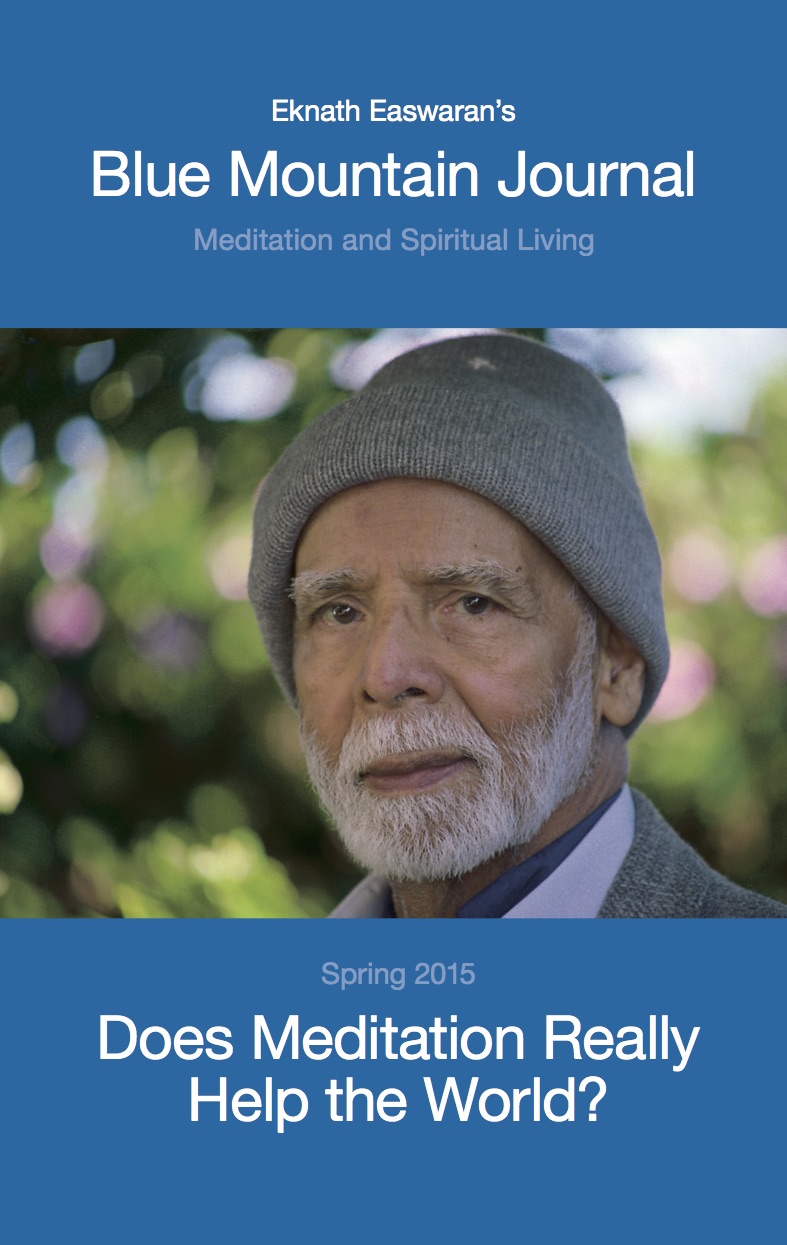
Blue Mountain Journal Spring 2015: The latest edition of the Blue Mountain Journal is now available online. The topic, "Does meditation really help the world?", seems particularly relevant to YAs. The journal includes Easwaran answering questions like "What do you think lies at the root of all violence today?" and the ever important "What can we do about it?"

The journal also contains some contributions from the BMCM YA eSatsang with stories about how their meditation practice has helped them deal with violence in the world.

Check it out and let us know what you think!

Easwaran: The Mantram

 "Meditation slows down the thinking process; the mantram keeps it from acting from conditioning and speeding up again during the day. The mantram keeps the stream of concentrated thought flowing throughout the day." –Eknath Easwaran

Here on the YA blog, we focus a lot on the practice of meditating on a passage, but meditation is just one of the eight points in Easwaran’s spiritual practice. So this week we’d like to focus on one of the other points: repetition of a mantram. If you’re not familiar with Easwaran’s instructions for choosing and using a mantram, we recommend checking out this overview.

YA-Easwaran

We’ll admit that, for some of us, using a mantram felt a bit awkward initially, but it’s now a discipline that we at YA Blog HQ love dearly! One of the things we find incredibly useful about this point is that it can be practiced anytime, anywhere.

This week we’d like to share an audio talk by Eknath Easwaran on the repetition of a mantram. The talk is from August 1982 and is full of stories and illustrations about the power of the mantram. We really appreciate Easwaran’s ability to use stories and similes to describe the spiritual life, so this talk is one of our particular favorites.

We would love to hear from you! Share your thoughts in the comments below:

  • Is there a story or part of the talk that you particularly enjoyed?
  • How has using the mantram helped you in your daily life?